Why Consistent AC Maintenance Matters
Regular air conditioning services are often overlooked yet critical for any home. They play a vital role in ensuring system performance and reliability. Homeowners may not realize that neglecting maintenance can lead to excessive utility expenses and system failures. Understanding the importance of these services can lead to smart planning. The benefits extend beyond simple cooling. Exploring what maintenance entails reveals further benefits for both health and finances.
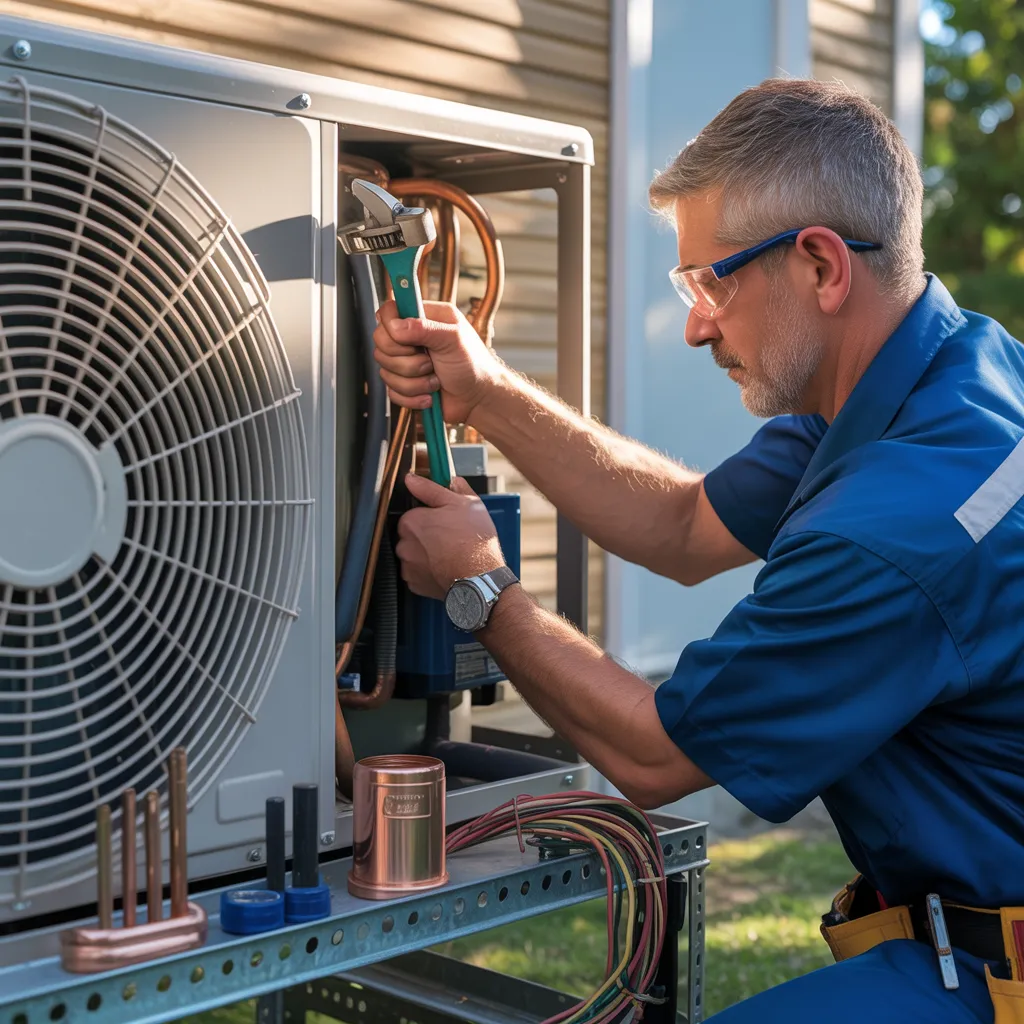
The Value of Routine AC Maintenance
Regular air conditioning services play an critical role in maintaining optimal operation. These services help maintain that the unit operates efficiently, reducing energy consumption and lowering utility bills. Regular inspections can identify potential problems before they escalate, minimizing major maintenance issues and prolonging the lifespan of the system. Additionally, routine maintenance enhances indoor air quality by eliminating dust and allergens that accumulate in the system. A well-maintained air conditioner also supports consistent temperature control, providing a comfortable living environment. Furthermore, scheduling regular services can help homeowners stay aligned with warranty requirements, securing their investment. In regions with extreme temperatures, the reliability of air conditioning becomes essential for health and safety. Consequently, committing to regular air conditioning services is not just a matter of convenience but an essential practice for peak system functionality and overall home comfort.
Why AC Maintenance Is Important
Numerous benefits arise from performing regular AC maintenance for a home. One key advantage is enhanced energy efficiency. A well-maintained air conditioning system operates more efficiently, leading to reduced energy bills. Regular inspections and cleanings help detect potential issues before they escalate, contributing to lower repair costs over time.
Additionally, routine maintenance enhances better indoor air quality. Technicians clean or replace filters, removing dust and allergens, which is particularly important for residents with respiratory issues. Moreover, regular servicing prolongs the life of the unit, delaying the need for a costly replacement.
Another benefit is improved comfort. A well-maintained system effectively controls temperature and humidity levels, ensuring a pleasant living environment. Finally, homeowners can enjoy confidence knowing their system is less likely to break down during extreme weather, providing reliable cooling when it is needed most.
Common Issues Caused by Neglecting AC Maintenance
Neglecting AC maintenance can lead to a variety of common issues that affect both system performance and indoor comfort. One major concern is lower performance due to clogged filters, which block ventilation and force the system to work harder. This inefficiency often results in higher energy bills and weaker performance. In addition, failing to clean or replace components can lead to accumulated dirt and debris, causing damage on critical parts.
Another common issue is refrigerant leaks, which can reduce cooling efficiency and result in inadequate cooling. Over time, components such as coils and fans may become damaged, leading to costly repairs. Moreover, neglected AC units can become breeding grounds for mold and allergens, adversely affecting indoor air quality. Overall, regular maintenance is crucial to prevent these issues and guarantee optimal functionality and comfort within the home.
AC Maintenance Tips to Avoid Issues
Maintaining an air conditioning system proactively can greatly minimize the likelihood of common issues arising. Regular maintenance enables the early identification of potential problems, such as refrigerant leaks or worn-out components, which can prevent expensive fixes. It is critical to clean or replace filters routinely to guarantee peak airflow. Additionally, checking and cleaning the condenser coils helps maintain efficiency and promotes better energy consumption.
Maintaining the drain lines reduces water buildup, reducing the risk of mold and water damage. Inspecting electrical connections verifies the system operates safely while minimizing the chance of electrical hazards. Scheduling seasonal check-ups with a qualified technician can provide comprehensive service and necessary adjustments. By committing to regular maintenance, homeowners can extend the lifespan of their air conditioning units and maintain a stable indoor environment year-round.
What Happens During Your AC Maintenance Visit?
During an AC maintenance visit, technicians conduct a detailed inspection and servicing of the system to ensure optimal operation. Initially, they assess the overall condition of the air conditioning unit, checking for any issues. This includes evaluating electrical connections, confirming that all components are operational.
Next, they check air filters, which is essential for maintaining air quality and system efficiency. The technician also examines the refrigerant levels, checking for any leaks that could impact cooling capacity. Additionally, they clean the condenser coils and verify proper drainage to prevent water buildup.
Finally, the technician tests the thermostat and sets it if necessary, assuring accurate temperature control. This thorough approach not only boosts the efficiency of the AC unit but also extends its lifespan, ultimately providing homeowners with a ideal living environment. Regular maintenance is critical for peak functionality and reliability.
Air Conditioner Care Between Professional Visits
Between professional maintenance visits, homeowners can take simple steps to guarantee their air conditioning systems run efficiently. Regularly checking components, checking thermostat settings, and inspecting drain lines can greatly extend lifespan. Implementing these basic steps helps maintain a comfortable indoor environment while saving on bills.
Filter Maintenance
Regularly service filters to guarantee optimal air conditioning performance. Air filters play an critical role in maintaining air quality and system efficiency. When filters become dirty with dust and debris, airflow is limited, forcing the unit to work harder and potentially leading to costly repairs. Homeowners should check filters every month and service or replace them, typically every one to three months, depending on usage and filter type. A routine assessment can determine if a filter needs attention. Utilizing efficient filters can further boost lifespan. By committing to this simple maintenance step, individuals can maintain optimal cooling and protect indoor air quality.
Thermostat Maintenance
Regularly checking thermostat settings can greatly enhance air conditioning efficiency and comfort. Confirming the thermostat is set to the desired temperature allows the system to operate at optimal efficiency. Homeowners should familiarize themselves with the different modes—cooling, heating, and fan—to maintain appropriate settings for the season. Additionally, calibrating the thermostat can prevent discrepancies between the set temperature and the actual room temperature, which can lead to unnecessary energy consumption. It is advisable to check for proper placement of the thermostat away from direct sunlight or drafts, as these factors can affect readings. By maintaining accurate thermostat settings, homeowners can ensure a more comfortable living environment while reducing energy costs and prolonging the lifespan of the air conditioning unit.
Check AC Drainage
A thorough inspection of drain lines is critical for maintaining an air conditioning system and preventing costly water damage. Clogged drain lines can lead to water buildup, which may cause leaks and damage to the home’s interior. Homeowners should regularly check the drain line for any obstructions, such as dirt or algae. Using a vacuum can help clear minor blockages effectively. Additionally, pouring a mixture of vinegar and water down the drain line can help prevent algae growth and avoid buildup. Regularly inspecting and maintaining drain lines not only maintains peak performance of the air conditioning system but also shields the home from potential water damage, ultimately saving homeowners time and money.
How to Choose the Best HVAC Service Provider
When seeking the best HVAC service provider, what factors should be assessed to guarantee quality and reliability? First, verify the provider's licensing and insurance, ensuring they meet local regulations and are financially secure. Next, examine their experience in the industry; a experienced company often signifies skill and customer satisfaction. Reviews and testimonials from previous clients can provide information into the provider's reputation and service quality.
Additionally, consider the range of services offered, including installation, maintenance, and emergency repairs. A comprehensive service provider can address various needs, supporting convenience for homeowners. Furthermore, evaluate their responsiveness and customer service; companies that prioritize communication usually lead to better overall experiences. Finally, compare pricing structures and seek transparent estimates to avoid unexpected charges. By carefully assessing these factors, homeowners can reliably choose an HVAC service provider that aligns with their needs.
Frequently Asked Questions
Recommended AC Maintenance Schedule
Experts advise scheduling air conditioning services at least every 12 months, ideally before the cooling season. This ensures peak performance, improves energy efficiency, and extends see information on this the lifespan of the unit, preventing unexpected breakdowns during peak usage.
Self-Service for AC Units
Yes, one can perform minor AC maintenance, such as changing filters and maintaining components. However, professional servicing is recommended for thorough checks, ensuring efficiency of the air conditioning system.
When to Call a Technician
Strange sounds, strange odors, inadequate cooling, and frequent cycling are clear signs indicating that immediate air conditioning service is needed. Additionally, higher utility costs may suggest underlying issues requiring professional attention to guarantee peak performance.
How Does AC Maintenance Affect Energy Bills?
Regular AC maintenance greatly reduces energy bills by ensuring the system operates efficiently. Serviced filters and well-maintained components allow for efficient cooling, preventing excessive strain that leads to higher energy consumption and costs.
Coverage for Routine AC Servicing
Many HVAC companies offer warranties for regular maintenance services, covering limited services. These warranties can have specific conditions, providing peace of mind for homeowners regarding the reliability of their air conditioning systems.